Key facts: Aberpergwm coal mine expansion
We'll keep this post up-to-date with the key facts so keep checking back!
Key facts
Coal & refuse to be excavated: 72 million tonnes in total - 30 million tonnes of which will be "middling" coal to be dumped or put back into the coal mine.
Coal to be sold: 42 million tonnes during the life of the extension
CO2: 100-120 million tonnes of CO2, according to uses listed below (2022 BEIS Conversion Factors)
Methane: up to 1.17 million tonnes of methane, a powerful climate accelerant
Coal operator (mining company): Energybuild Ltd/Energybuild Mining Ltd.
Type: Anthracite
Claimed uses:
- 2022: According to Energybuild Ltd, 60% of the coal goes to steelworks, 20% domestic heating (80% overall), with the remaining to mixed industrial uses
- 2023: Energybuild Ltd predicts, overall, 70% of the coal will go to steelworks and domestic heating (reduction of 10%), with the remaining to mixed industrial uses
The planning application said power stations and steel works. With Aberthaw power station closed, Energybuild now talks of Pulverised injection for steelmaking, household heating, cement, and water filtration.
County Council Local Planning Authority: Neath Port Talbot
Address: Glynneath, Neath, SA11 5AJ
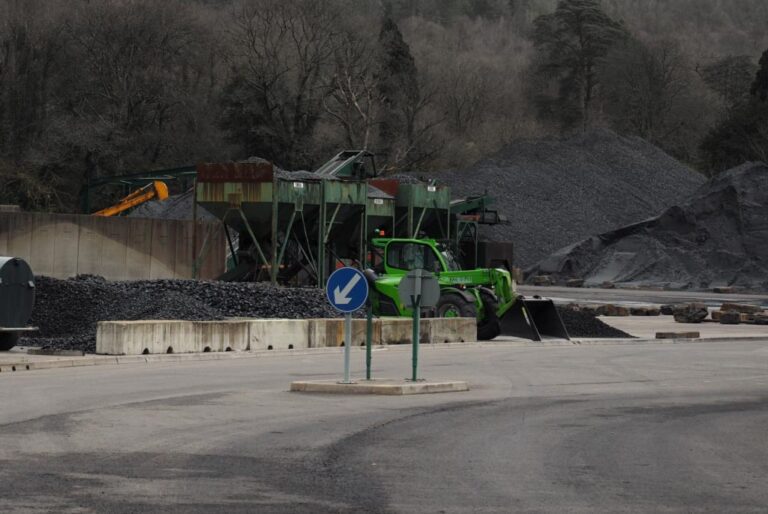
Physical size: Because this is an underground mine, much of the excavation would be invisible but very real, as communities victim to flooding mine shafts have experienced. The underground tunnelling has permission to extend to 2.3km squared, taking you roughly half an hour to walk from one side of the tunnels to the other. And this doesn’t factor in the vertical shafts, sending offshoots that go beneath the River Dulais.
Time: Planning permission to mine coal until 2039 (this is often subsequently extended).
Published: 22/04/2022
This insanity seems to have infected many world Governments, despite numerous warnings that we must dump fossil fuels urgently, our politicians continue to endorse and encourage the further mining of coal. Thanks to these decisions we will most certainly face a catastrophic future.
Coal is bad for the environment, so we should avoid it, if possible!
The argument that Tata steel needs the anthracite produced by Aberpergwm is now very questionable since the UK government has sad it will give £300 million towards a transition to using arc furnaces. https://www.walesonline.co.uk/news/wales-news/uk-government-plans-give-port-26045545
The problem is that industries in Britain still use coal. It is better to mine it in this country than to import it from abroad. This doesn’t mean that coal isn’t bad, but you cannot just look at the supply side and not the demand. If using coal were more restricted, simple economics would shut down the mine.
We agree! See our pages on coal in industry for our work on this: https://www.coalaction.org.uk/coal-industry/