60 years after Aberfan: coal tips still loom over Welsh valleys
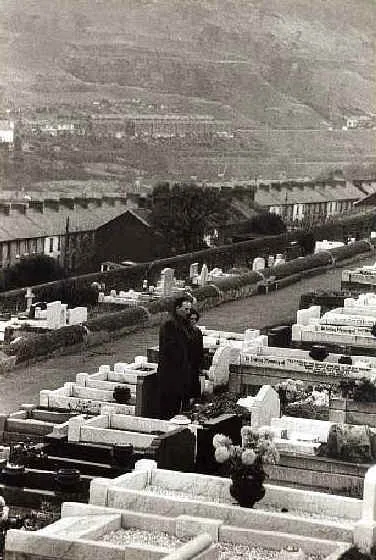
21 October 2026 marks the 60th anniversary of the Aberfan disaster. On this day in 1966, a colliery spoil tip (or ‘coal tip‘) collapsed after heavy rain, sending a devastating landslide down the hillside into Pantglas Junior School and neighbouring homes. The disaster claimed 144 lives – 116 children and 28 adults.
Sixty years later, the shadow of Aberfan remains deeply etched into the collective memory and identity of the Welsh valleys – a profound reminder of the heavy human cost paid for the nation’s industrial past.
As memorial events, quiet reflections, and commemorative gatherings take place across Wales this October, we honour the lives lost. But we must also look at the landscape today. The legacy of industrial extraction is not just a chapter in the history books; it remains a living, ongoing issue for valley communities. This tragedy was not inevitable – it was one borne of irresponsible industrial practices to maximise profit and minimise cost – it was avoidable.
A living risk in the Welsh Valleys
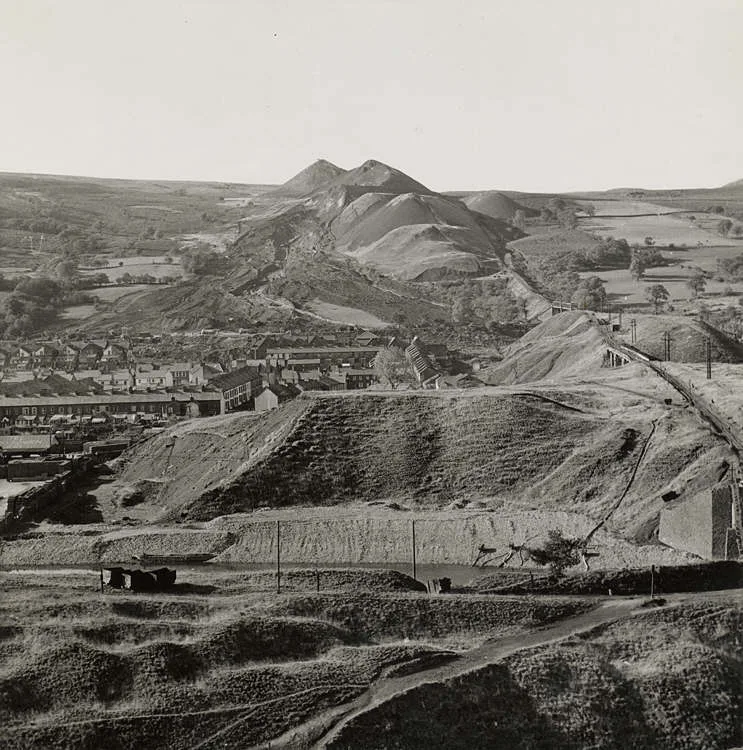
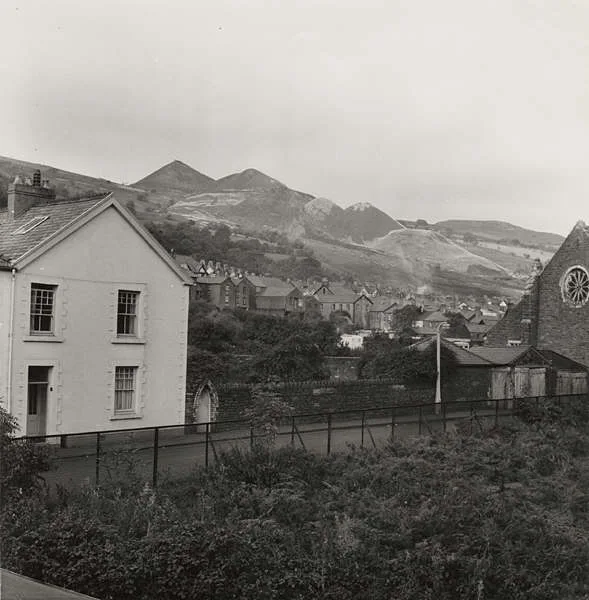
The landscape of South Wales is still marked by poorly restored or unrestored opencast mines and more than 2,500 coal tips. Climate change, increasingly intense rainfall, and severe weather events heighten the risk of coal tip slips.
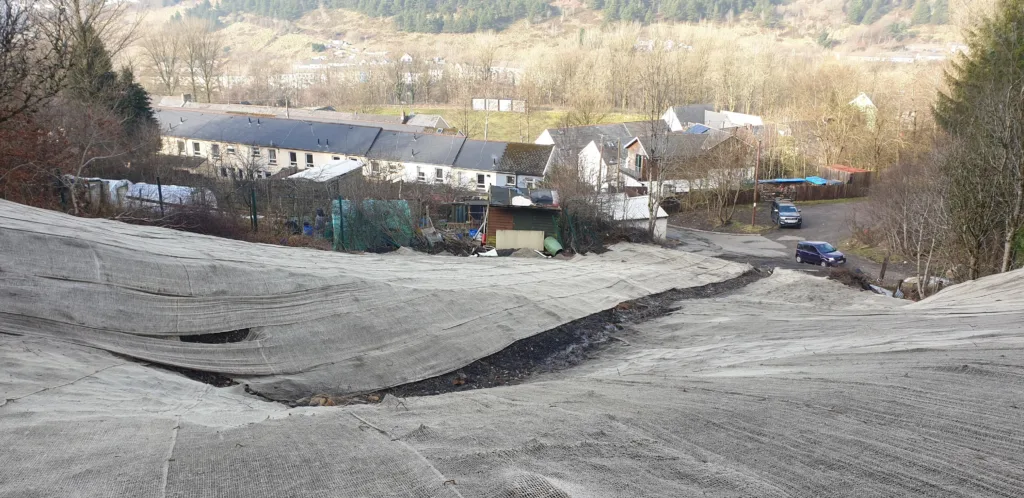
Recent incidents – such as the major coal tip slips in Tylorstown (2020/2022) and Cwmtillery (2024) – could have caused further tragic loss of life. They serve as poignant reminders of how closely contemporary valley life remains tied to its coal heritage. Yet, even now there is a risk that three new disused coal tips will be created in South Wales.
Impacted community campaigners, Tina and Ralph
Tina Honeyfield and Ralph Connor have dedicated over a decade to community regeneration projects in Cwmtillery. In 2024, their own home was heavily impacted by the coal tip slip nearby:
“Although our experience pales in comparison to the unimaginable tragedy of Aberfan, hearing the roar of the tip as it slipped and feeling powerless as the slurry flooded our home gave us a sense of how horrific the events of 1966 must have been. Tip sites still represent a genuine risk to communities and the same systemic failures are to blame. From the point that coal waste was first discarded on Welsh hillsides to further unbridled 19th-century capitalism, remediation has largely been reactive rather than proactive. With the climate crisis exacerbating risk and local governments woefully underfunded, new approaches must be found to mitigate dangers – and we believe these lie in the third sector. Bringing tip sites into community stewardship and managing them alongside strategic partners for the benefit of people and nature would finally give the people most affected agency over them.”
Moving beyond a narrow mandate
The establishment of the new Coal Tips Safety Authority (Disused Tips Authority) by the Welsh Government is a welcome step towards monitoring and assessing structural stability. However, physical safety from landslides is only one part of the equation.
We work with valley communities who continue to feel not enough is being done more generally about the safety risks and environmental condition of opencast scars on their landscape, and complain that the derelict condition of coal tips can attract anti-social behaviour. The new Disused Tips Authority won’t address these concerns with its current remit – we need the Welsh Government to commit to taking action.
From liabilities to community assets
At Coal Action Network, we believe local residents deserve a direct say in how these lands are managed and restored.
We are actively engaging with Local Planning Authorities to ensure former coalfield communities gain the tools and support needed to shape their own environments. By restoring ex-opencast sites and coal tips into high-quality, accessible green spaces, we can transform historic industrial liabilities into thriving community assets for generations to come.