
Global coal mining and use figures
Global coal mining
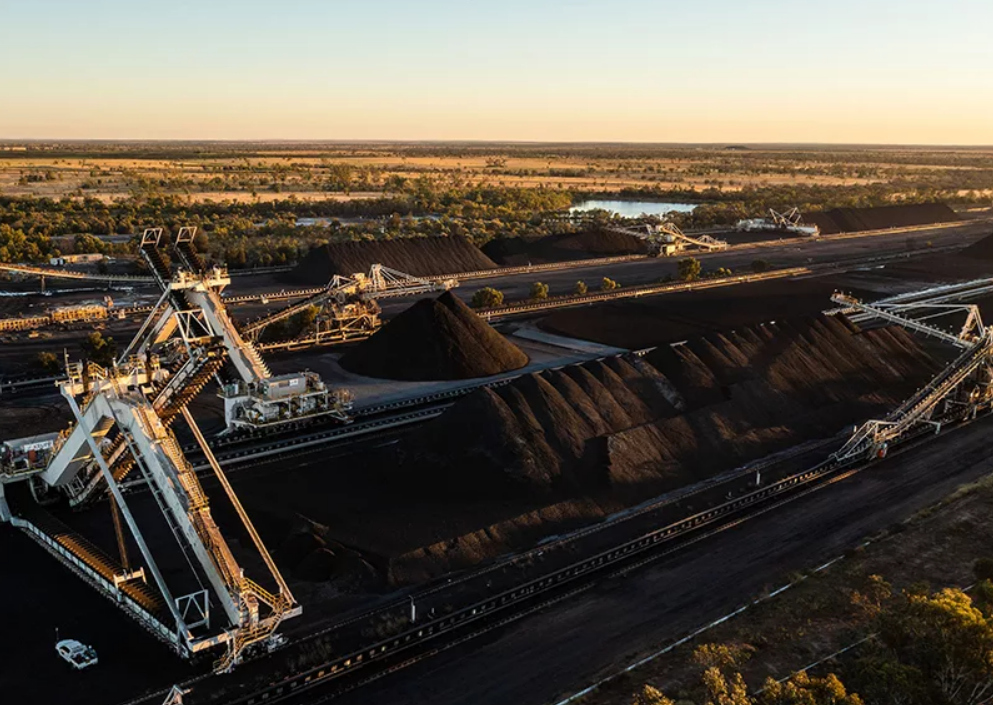
The IEA estimates that 9.15 billion tonnes of coal was mined in 2025, similar to 2024 levels. Decreases amongst some nations were balanced out by increases in coal production amongst China, India, and Indonesia, although the rate of increase is slower than preceding years.
China accounted for 4,730 million tonnes of the 2025 global total. India was the next biggest coal producer of 2025, mining 1,089 million tonnes of coal. US mining increased production to 473 million tonnes, largely attributed to Trump’s unbridled policy support to the sector. EU levels remained stable at 242 million tonnes. There were around 7,000 recorded coal mines across 70 countries.
More mining to come…
Global coal mining capacity is still increasing year-on-year, but the rate of that increase slowed in 2024 compared to 2023, which added a total of 105 million tonnes of coal annually from newly-opened coal mines. According to Global Energy Monitor, there are 835 new coal mines proposed, as of 2025. Combined, these proposed mines amount to approximately 2,521 million tonnes of coal per year. Although just over 50% of the proposed capacity is still awaiting permits, the remaining proposals have already advanced beyond that stage: 18% has received permits, and 31% is under construction or in test operation. Proposed capacity is being led by China, then India, and Australia. China, India, Australia, Russia, and South Africa comprise nearly 90% of all proposed mine developments. China alone has 1,321 million tonnes per year capacity in development — more than all other countries combined. 70% of this expansion is for thermal coal – to be burned primarily in power stations. However, increases in capacity slowed in 2025, mainly due to the rate of new capacity falling in China (by 44%) and Australia (by 96%). In China, expanding renewable generation and tighter safety inspections and capacity controls have slowed mine development. In Australia, weakening demand from key export markets and the NSW ban on new greenfield coal mines are expected to keep future capacity additions low.
Coal mine methane
Irrespective of how the coal is eventually used, the act of coal mining itself emits around 15.7 million tonnes of methane globally per year (equivalent to 1.3 billion tonnes of CO2 equivalent over 20 yrs), more than oil or gas. Proposed mines alone could emit 16.8 million tonnes of methane annually. Methane is a powerful climate change accelerator.
In the ‘gassiest’ of coal mines, the methane released during the act of coal mining contributes as much to climate change as burning the coal mined. Unlike CO2 from burning coal, methane released from mining coal is not consistently measured and there is little in the way of international commitments to reduce it. This is concerning as coal mine methane emissions must fall 11% each year until 2030 if we are to remain within reach of the International Energy Agency’s roadmap for Net Zero 2030, according to Global Energy Monitor.
Quick mining facts
Coal use globally
Burning coal emits more CO2 than any other fuel source for the amount of energy it produces. Burning coal also pollutes our air with many other hazardous gasses, including nitrogen oxide, mercury, and sulphur dioxide – with global and local consequences for climate change, the natural environment, and our own health.
Globally, the amount of coal we burn each year is still increasing, with no end in sight. Coal contributed most to the growth in CO2 since the pandemic (2019), accounting for around 70% of the growth in CO2 in 2023. Despite the Kyoto Protocol, the Paris Agreement, and many COPs, coal continues to plague hopes of limiting climate change to 1.5c.