Skip to content
Coal Action Network
  • About usExpand
    • Contact us
    • Solutions
    • Donate
  • CampaignsExpand
    • Coal mines
    • Restoration
    • Industry
    • Mine water heat
    • Policy
    • Boycott bloody insurance
  • News
  • ResourcesExpand
    • Publications
    • Coal facts & figures
    • Politics unspun
    • Myth busters
  • The NetworkExpand
    • Beyond Fossil Fuels
    • London Mining Network
    • UVAG (United Valleys Action Group) South Wales
    • Supporters of Sirhowy Valley Country Park
    • Stop the West Cumbria coal mine
    • Stop Adani
    • Save Druridge, Northumberland
    • Defend Dewley Hill, Newcastle
    • Campaign to Protect Pont Valley, Durham
  • Donate
Coal Action Network
UK facts and figures
Global facts and figures

Coal facts, figures, and information

What alternatives exist to the 948,000 tonnes of coal the UK still consumed in 2025? See our illustrated solutions. What’s the difference between opencast and deep coal mines?

Industrial uses of coal

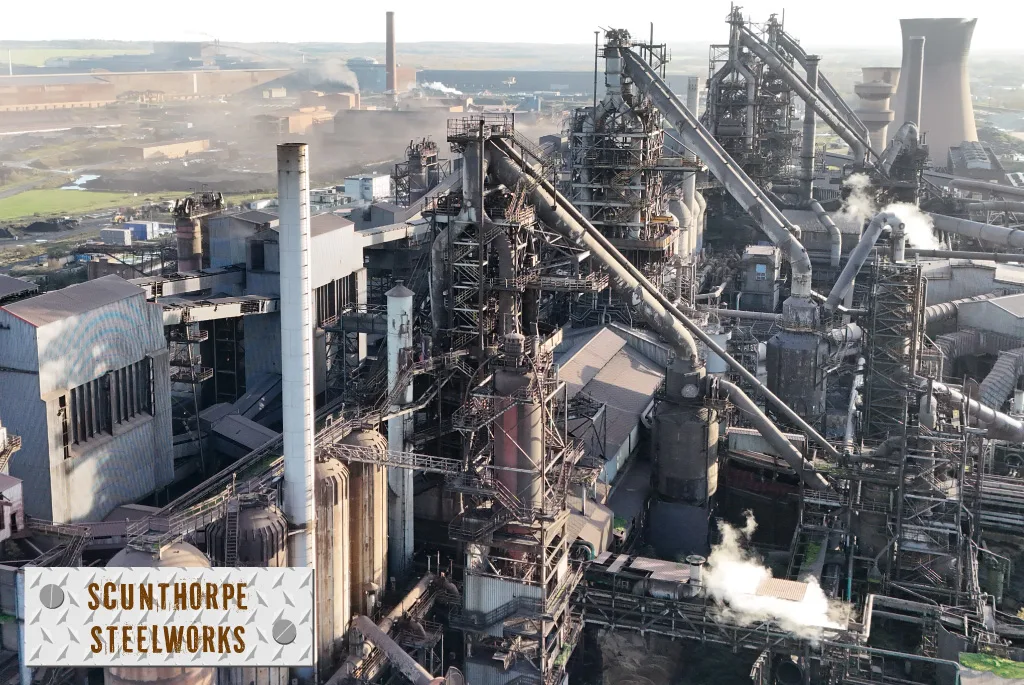
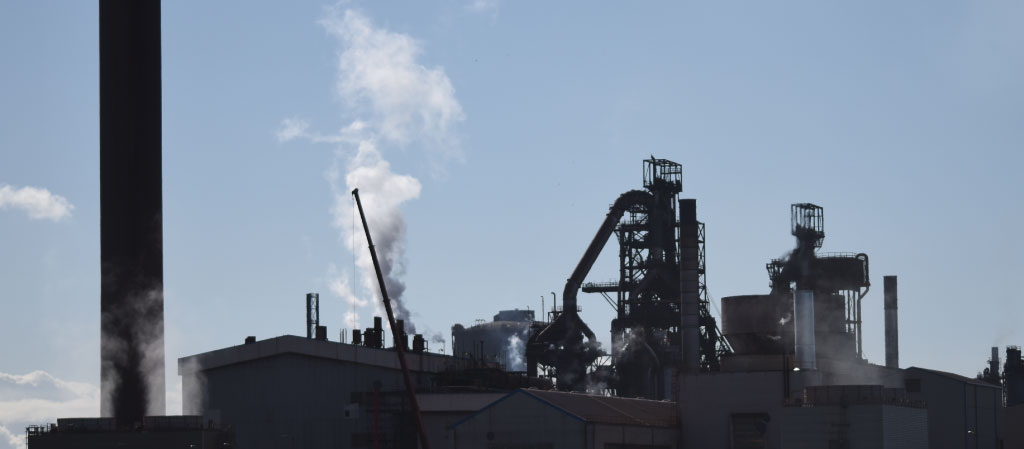
Coal is not only burned to produce electricity. It is used to manufacture steel, cement, chemicals, bricks, and other products. Most significant of these consumers are steelworks followed by cement works. The coal used to produce 1 tonne of steel emits approximately 2 tonnes of CO2. Coal used in making steel is responsible for 11% of global greenhouse gas emissions, and it’s increasing. Coal used in cement works is responsible for around 7-8% of global greenhouse gas emissions. Evidence indicates carbon capture and storage will never be able to deliver the CO2 savings hoped for despite time and huge investment in research and testing. However, methods of making steel without coal offer better hopes of decarbonisation. More investment and political commitment is needed to accelerate and scale up these methods see Coal in Steel. Check out our resource on industrial uses of coal and the alternatives.
Pollution from burning coal

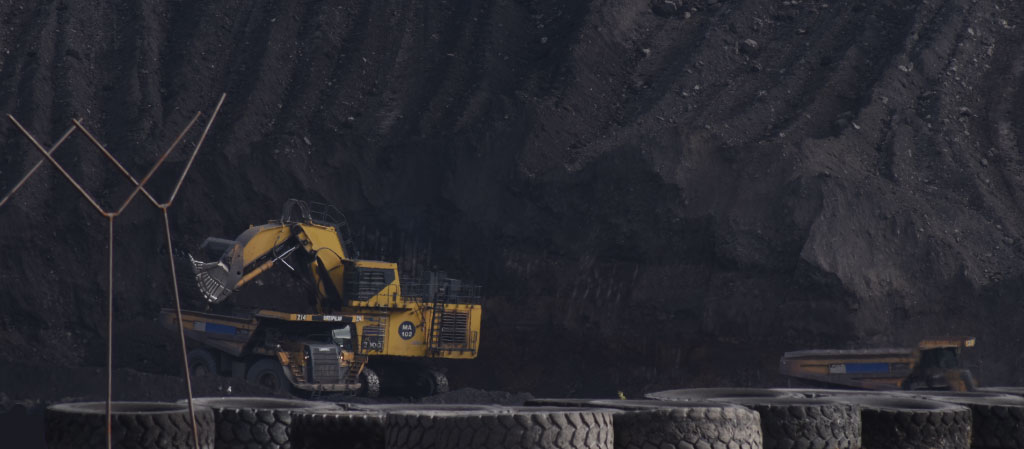
In some areas, coal is still burned to generate heat directly by burning it in the fireplaces homes. Where this domestic use of coal occurs, it’s a significant source of fine particulate matter air pollution within the home. Because of the small particulate size, the “toxins may enter the bloodstream and be transported around the body, lodging in the heart, brain and other organs”. Other pollutants from burning coal include:
  • Sulfur dioxide (SO2), which contributes to acid rain and respiratory illnesses
  • Nitrogen oxides (NOx), which contribute to smog and respiratory illnesses
  • Particulate pollution which contribute to smog, haze, and respiratory illnesses and lung disease. Decreasing amounts of coal used in power plants to generate electricity and in household fireplaces “has been a major factor in reducing emissions of particulate matter”.
  • Carbon dioxide (CO2), which is the primary greenhouse gas produced from burning fossil fuels (coal, oil, and natural gas)
  • Mercury and other heavy metals, which have been linked to both neurological and developmental damage in humans and other animals
  • Fly ash and bottom ash, which are residues created when power plants burn coal

Mining facts

Read more

Burning facts

Read more

Coal updates

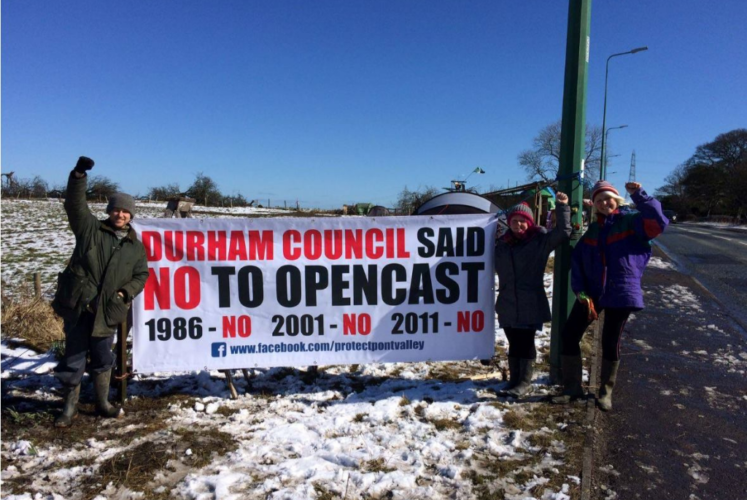
Coal mining in the Pont Valley to end August 2020

10/07/2020

Posts pagination

Previous Page 1 … 7 8 9 10
  • About us
  • Campaigns
  • News
  • Resources
  • The Network
  • Donate
Facebook Instagram YouTube Bluesky

© 2026 Coal Action Network

  • About us
    • Contact us
    • Solutions
    • Donate
  • Campaigns
    • Coal mines
    • Restoration
    • Industry
    • Mine water heat
    • Policy
    • Boycott bloody insurance
  • News
  • Resources
    • Publications
    • Coal facts & figures
    • Politics unspun
    • Myth busters
  • The Network
    • Beyond Fossil Fuels
    • London Mining Network
    • UVAG (United Valleys Action Group) South Wales
    • Supporters of Sirhowy Valley Country Park
    • Stop the West Cumbria coal mine
    • Stop Adani
    • Save Druridge, Northumberland
    • Defend Dewley Hill, Newcastle
    • Campaign to Protect Pont Valley, Durham
  • Donate
Search