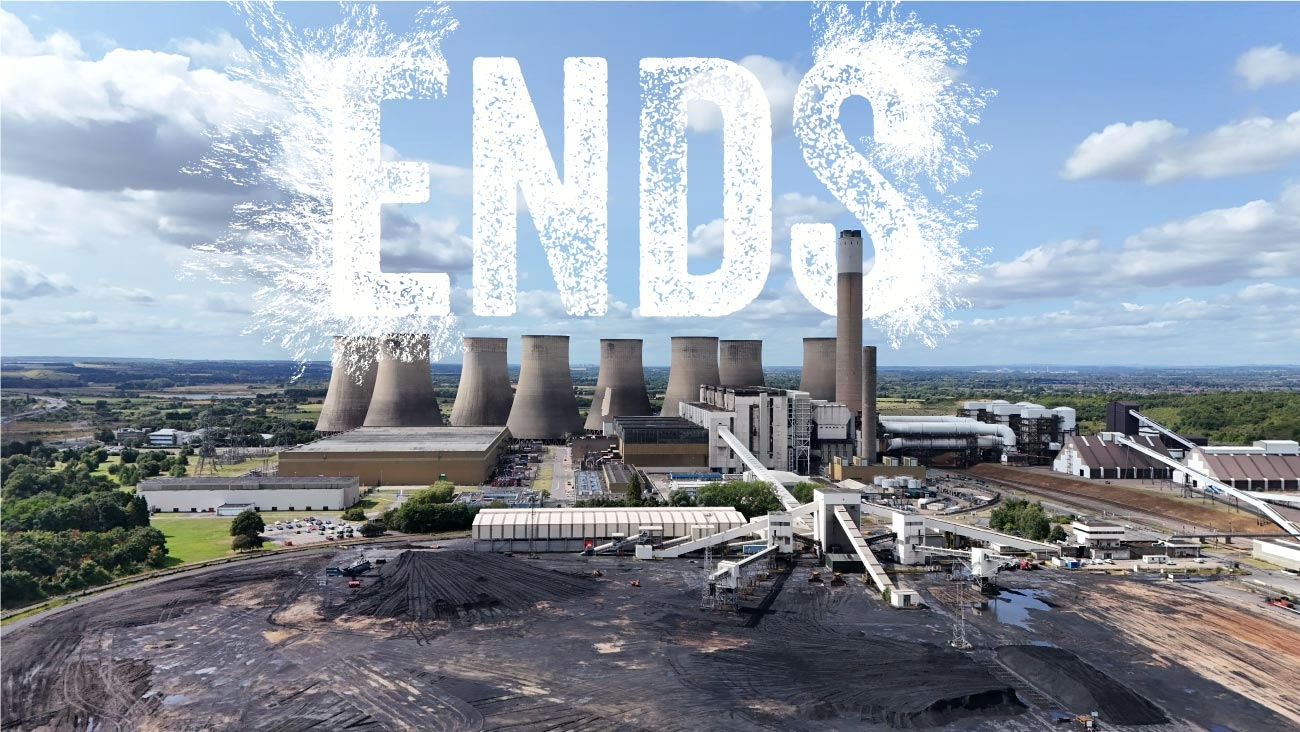
Historic moment UK ends coal for power generation
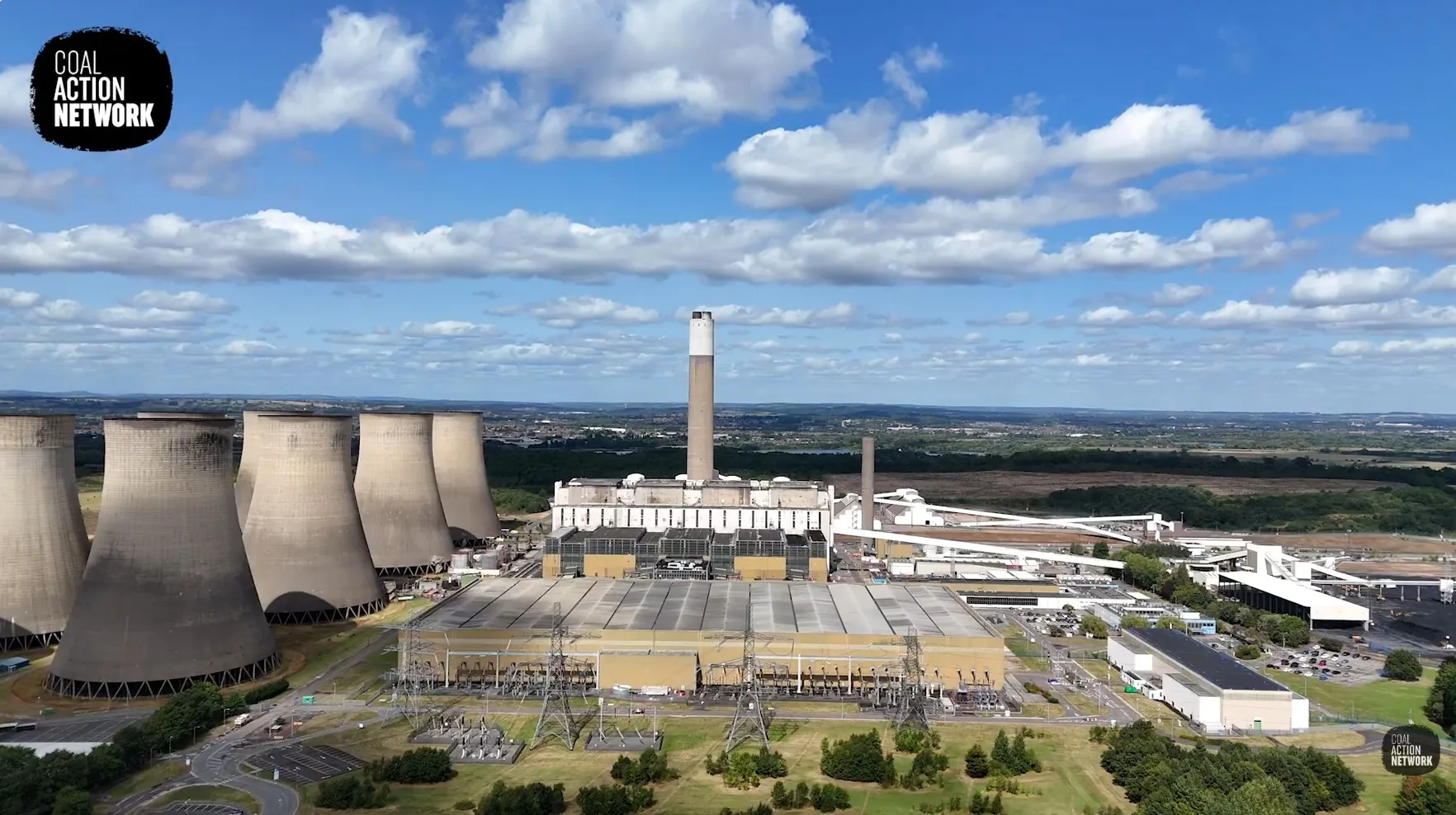
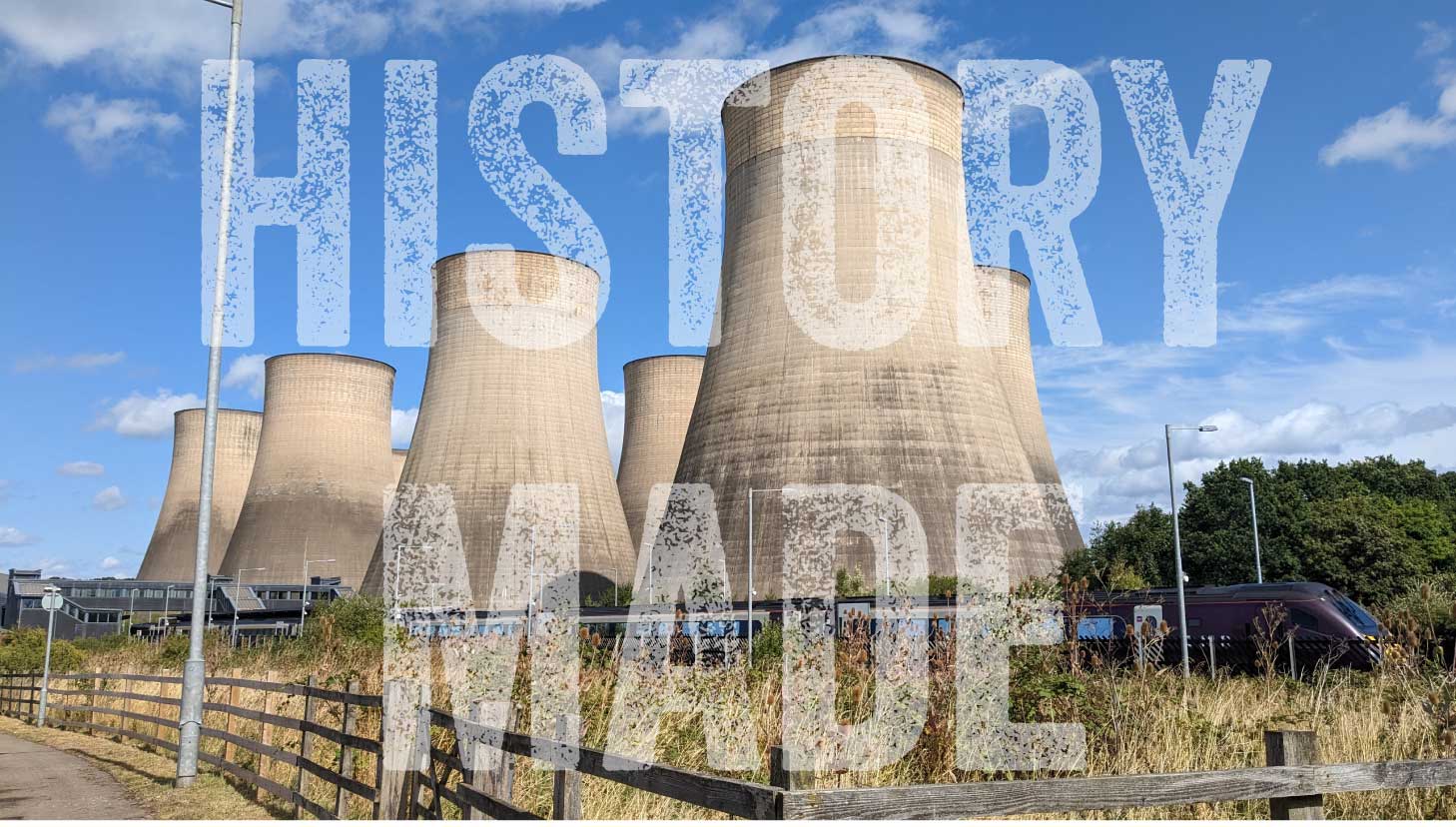
The UK is reaching a major milestone in its transition to clean energy, one that Coal Action Network has campaigned for since its inception in 2008 — the complete phase-out of coal power generation. From October 2024, Ratcliffe power station — the last remaining coal-fired power station in the country — will be permanently shuttered. It is a milestone that should be celebrated, and one that serves as an inspiration to other countries around the world to follow suit.
Coal has been a mainstay of the UK’s power grid for over a century, both driven and sustained by British colonialism. At its peak in 1950, coal accounted for 97% of the UK’s electricity generation. Since then, concerns over climate change and air pollution contributed to successive UK Governments pushing the world’s dirtiest fossil fuel out of the UK power mix.
How the UK’s coal phase-out was won
Through a combination of policies, renewable technology alternatives, market forces, and public pressure, the UK has steadily reduced its reliance on coal power over the past decade. Measures such as the carbon price floor, restrictions on coal plant emissions, and the rapid growth of renewable energy sources like wind and solar have all contributed to coal’s decline.
The phasing out of coal power entirely is a major victory for the environment and public health. Coal combustion is a major source of greenhouse gases, as well as harmful air pollutants like fine particulate matter, sulphur dioxide, and nitrogen oxides. By eliminating coal from the energy mix, the UK has taken a crucial step in reducing its carbon footprint and improving air quality.
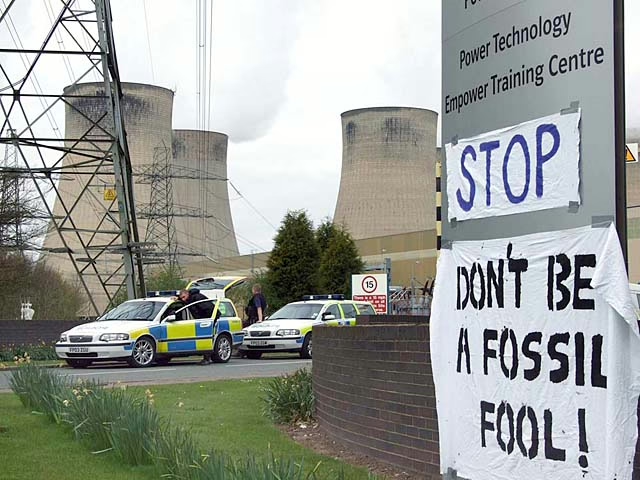
Protest against coal power generation
Ratcliffe power station has seen its fair share of protests demanding closure. One example of direct action took place on the site in 2007, when Spring into Action, saw 11 people locked on to the dumper trucks and the conveyor belts, feeding coal to the power station. This caused major disruption to the plant operation, before they were removed. Back then Ratcliffe was the UK’s 3rd largest source of carbon dioxide emissions in the UK.
Site occupations have been a significant tactic in slowing or stopping coal mines from starting. Coal Action Scotland occupied several sites including Mainshill and later Glentaggart East, both in South Lanarkshire for action camps that disrupted operations on existing opencast sites. Scotland’s last coal power station, Longannet, closed in March 2016, and the Scottish Government banned coal mining in 2022.
Other countries beating the UK to coal phase-out
Although the UK was first to announce the end of its coal power sector, Belgium was the first European nation to stop burning coal, ending its use in 2016. Sweden stopped using coal in 2019, bringing forward the planned date by 2 years. Austria stopped using coal in 2020. Neither the Belgium nor Austrian phase-outs were considered to be government driven.i Portugal brought forward its phase-out date twice from a starting point of 2030 to 2021.
Looking ahead to the UK’s fossil-free future
The challenge now is to ensure that the UK’s energy system remains reliable and affordable as it continues to transition towards renewable sources. This will require significant investment in grid infrastructure, energy storage, and flexible generation capacity to balance the intermittency of wind and solar power.
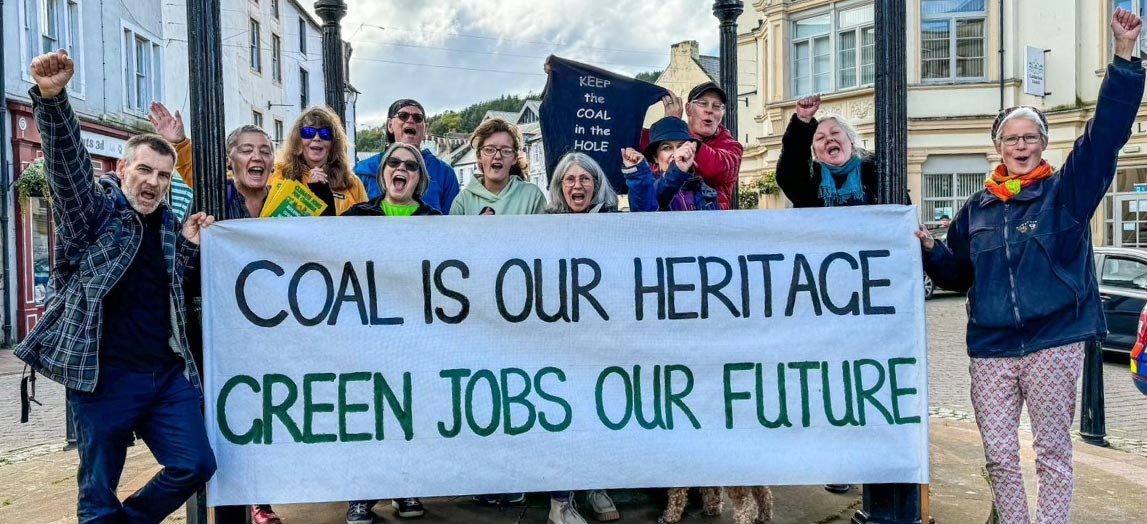
Some UK heavy industries still use some amounts of coal – such as cement and steel works. Most of this coal is now imported, which comes with a high toll for the local populations. Campaigners in the UK have been pushing for an end to imports, while calling for the end of its mining and use in the UK. Over the years London Mining Network has brought visitors to the UK from international coal affected regions, particularly in Latin America. Meeting these campaigners has been profoundly moving experiences for people living close to proposed coal mines in the UK, as the similarities in their struggles are numerous, and it shows that the campaigns are thinking globally by acting locally and pushing for the end of coal power.
Nevertheless, the end of coal power in the UK is a testament to the countless hours committed by both climate activists and local people who spent countless hours and risked their freedom campaigning to close the coal-fired power stations poisoning the air they breathe and trashing the climate we all rely upon. But the spectre of coal still looms with the UK continuing to mine and export coal abroad – in 2023 alone, UK exports of coal generated around 1.8 million tonnes of CO2. It is reckless and hypocritical to dump the dirtiest of fossil fuels on other countries whilst boasting that the UK itself has moved beyond coal.